

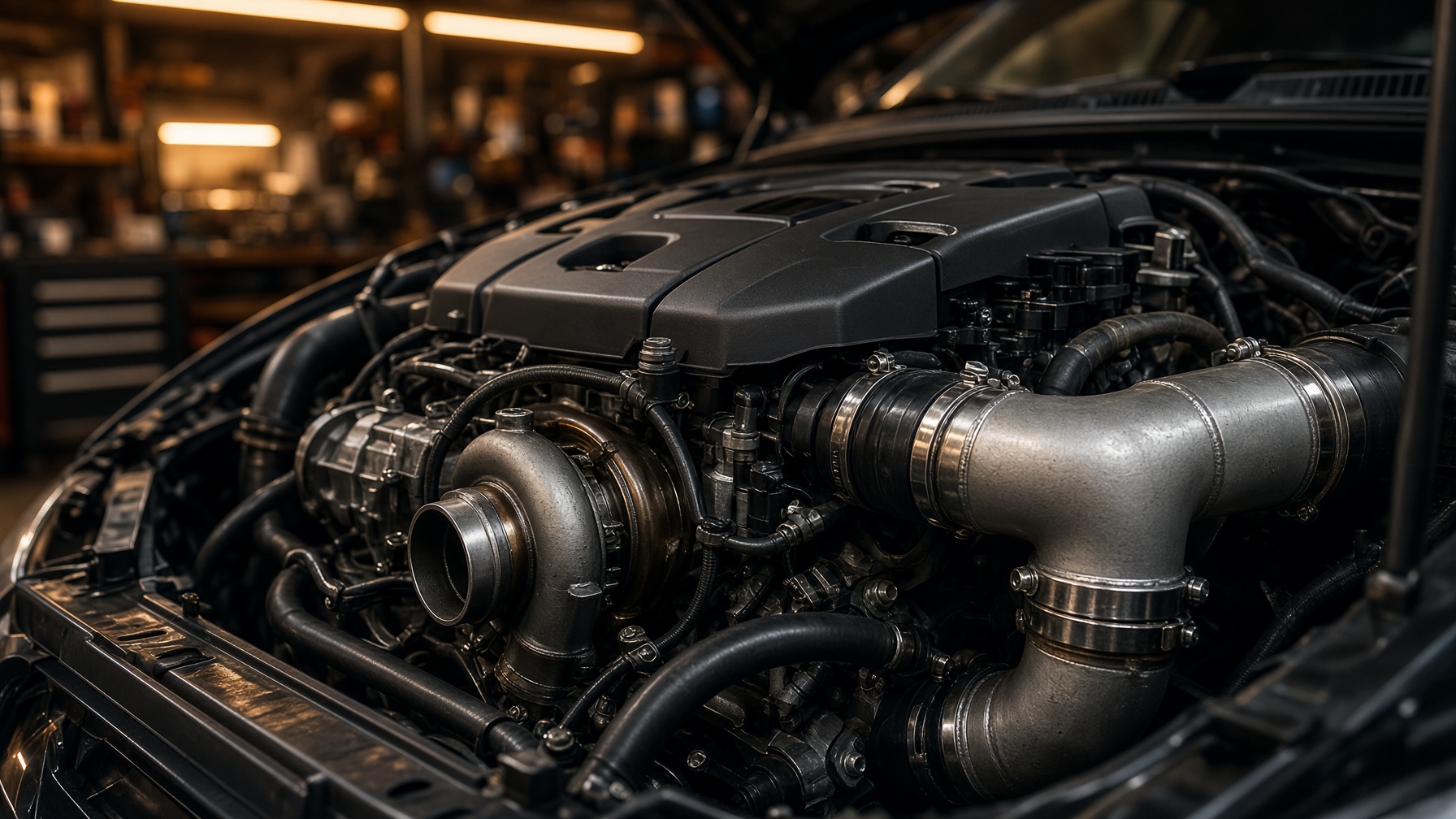
Ford EcoBoost in Dubai heat is a turbo, a pump, and a bearing that live on engine oil. Direct injection. Tight cooling. Stop-start traffic with the AC locked on. The 2.3 in Mustang, Ranger and Explorer and the 3.5 V6 in Explorer and F-150 are the two we see most. They are not fragile if the oil and coolant are honest. They are expensive if you treat them like a 1990s V6 that drank whatever was on special.
This is the workshop list: carbon on the intake, coolant that weeps on the 3.5, turbo oil that has gone thin, and heat-soak that feels like “no power in the afternoon.” None of that is fixed with a bottle of octane booster.
Why EcoBoost hates this climate
Turbo shaft bearings are pressure-fed with engine oil. In 45-degree air, plus a hot soak after a pull, oil that is already oxidised does not protect that shaft. You get a whistle, then blue smoke, then a turbo. The same oil is what the timing components and the high-pressure pump live on. Dubai’s severe-use gap is 8,000–10,000 km for most EcoBoost daily cars, not the long number on a European PDF.
Direct injection never washes the intake valves with fuel. Combine that with short trips and a lot of idle and you get carbon. Rough idle, a miss that looks like a coil, a slight loss of pull. Coils do fail in heat — we test them — but a can of intake cleaner is not a walnut-blast, and a coil pack is not carbon.
Carbon on EcoBoost intake valves
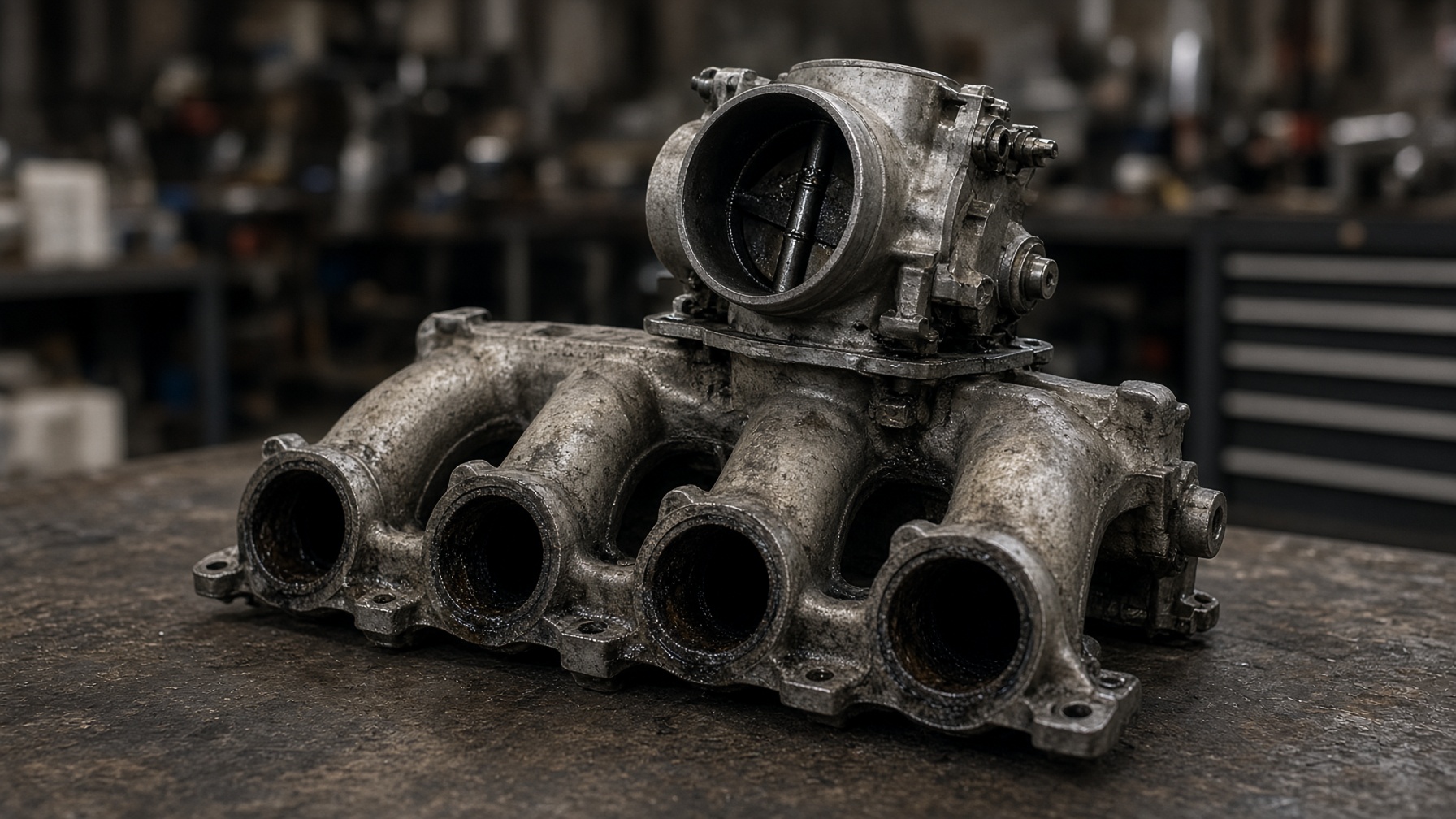
Symptoms: lumpy idle when hot, hesitation off a roundabout, a misfire that moves cylinder after you swap coils. The 2.3 Mustang and the 2.3 Explorer both do this after years of mall trips. Diagnosis is a camera on the valves, not a guess.
Method: clean the valves properly if they are packed; fix oil breathers that are dumping vapour; then put the car on an oil interval that does not make more sludge. We do not sell an engine because the idle is rough. We also do not pretend a 20-minute spray is a full clean when the camera says otherwise.
Prevention is boring: oil on time, a catch of the PCV story, and an occasional highway run that actually gets the turbo hot enough to clear moisture. A Mustang that only does JBR at night still needs the oil change.
3.5 EcoBoost coolant leaks
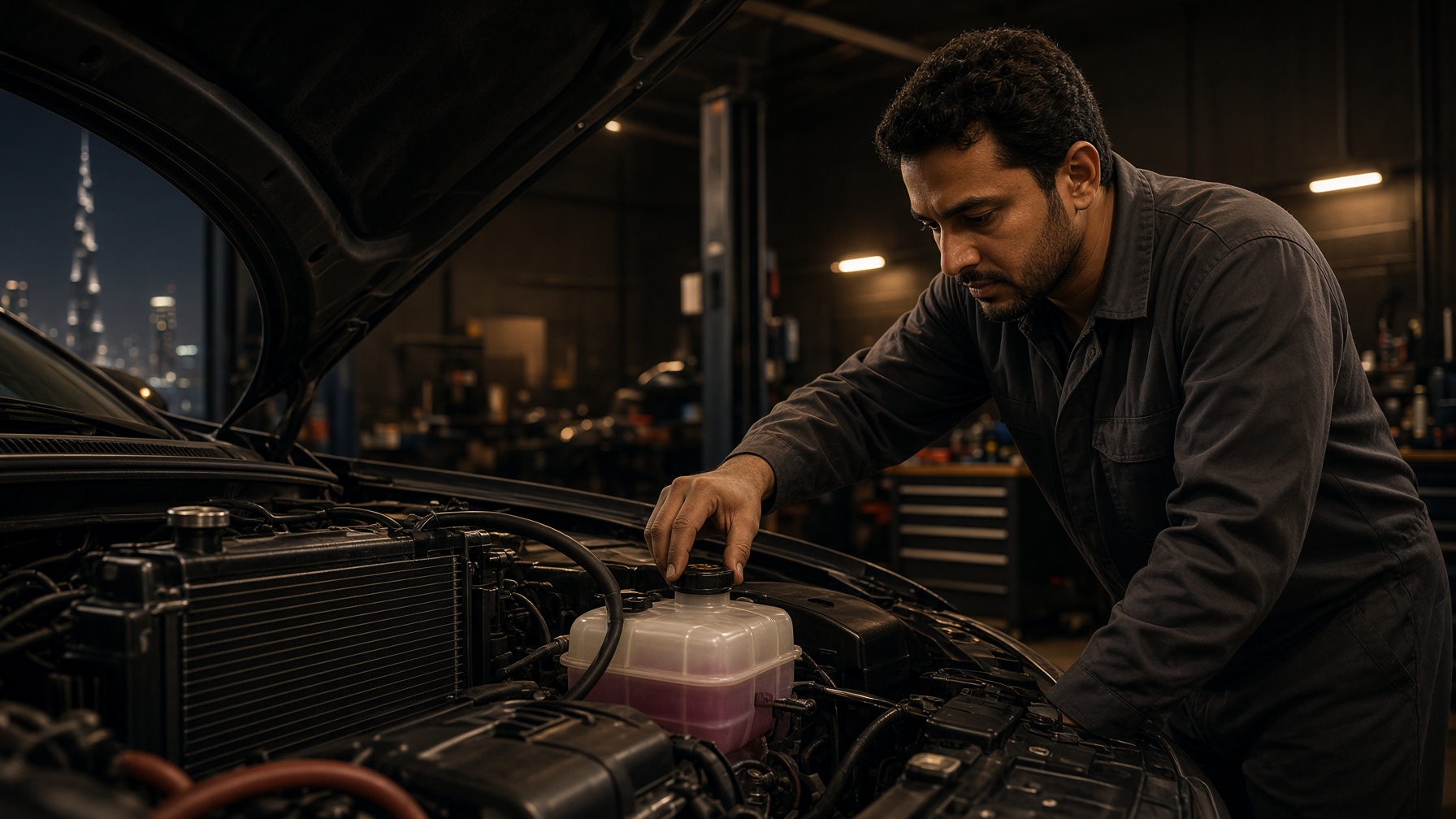
The 3.5 in Explorer and F-150 is the one with the pink stain and the “it only uses a little coolant” story. Water pump and thermostat housing seepage show up in this heat. Owners top up for months. Then the car overheats in traffic and the conversation becomes a head.
We check coolant cold, look for crust at the pump and housing, pressure-test, and quote the repair before the engine has been cooked. Mixing leftover green from a previous car into Ford-spec coolant is how you buy a second job. Colour is not spec. Spec is spec.
If the temperature needle has already climbed, we do not “just replace the pump” without asking whether the engine has been overheated. That question is the difference between a cooling job and an engine job.
Turbo oil: the bearing you cannot see
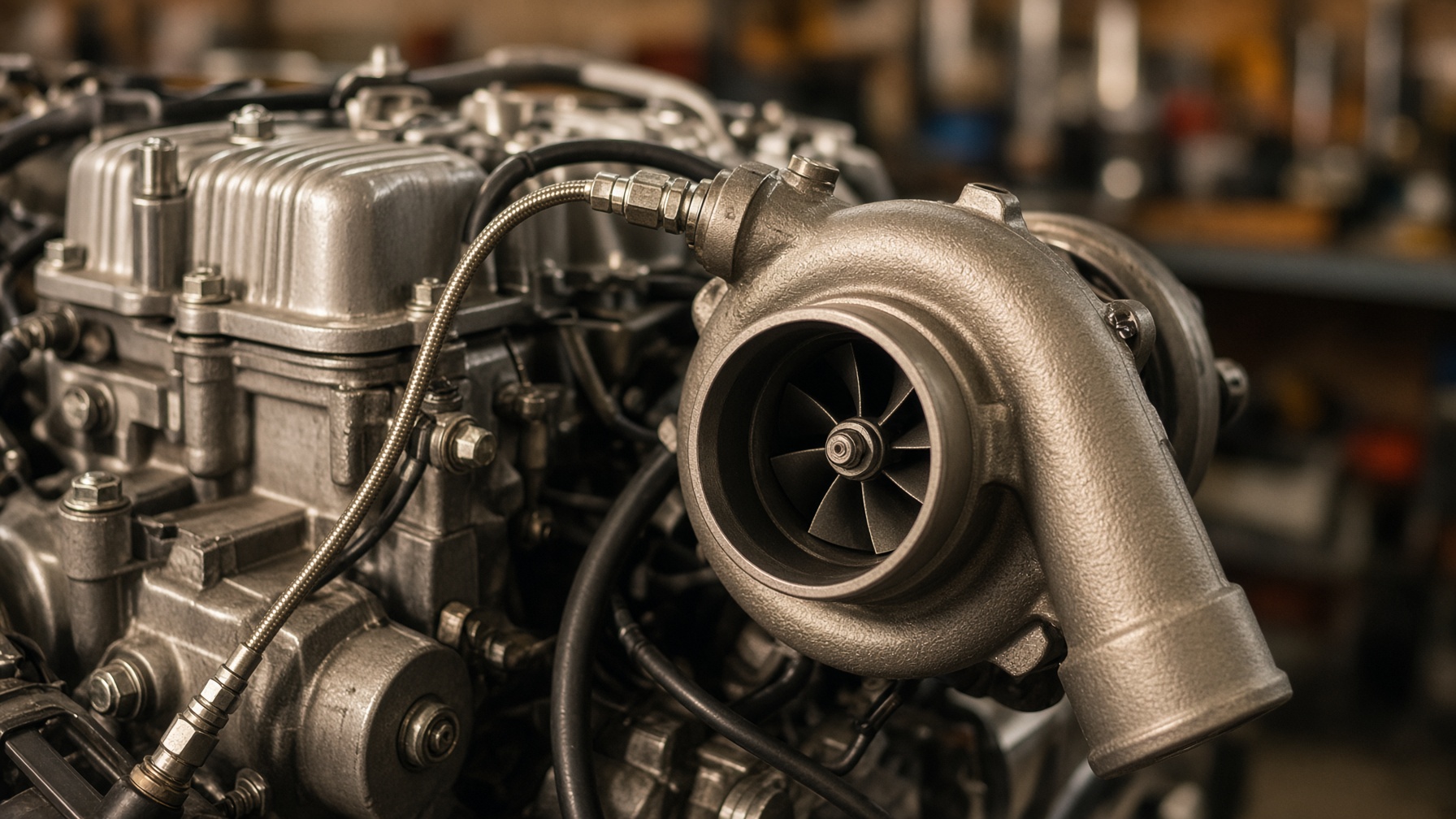
Whistle, play in the shaft, oil in the intake, boost that falls away in the afternoon. That is a turbo that ran on old oil or was shut off hot a thousand times without a few seconds of idle. In Dubai people switch off in a valet line with the turbo still glowing. The oil in the bearing cokes.
Fix: confirm the shaft, the feed, the return, and that the engine is not already sending metal. Then oil to spec — usually a full-synthetic 5W-30 on these petrol EcoBoosts unless the cap says otherwise — on a Dubai gap. A thicker desert myth oil is not a turbo warranty.
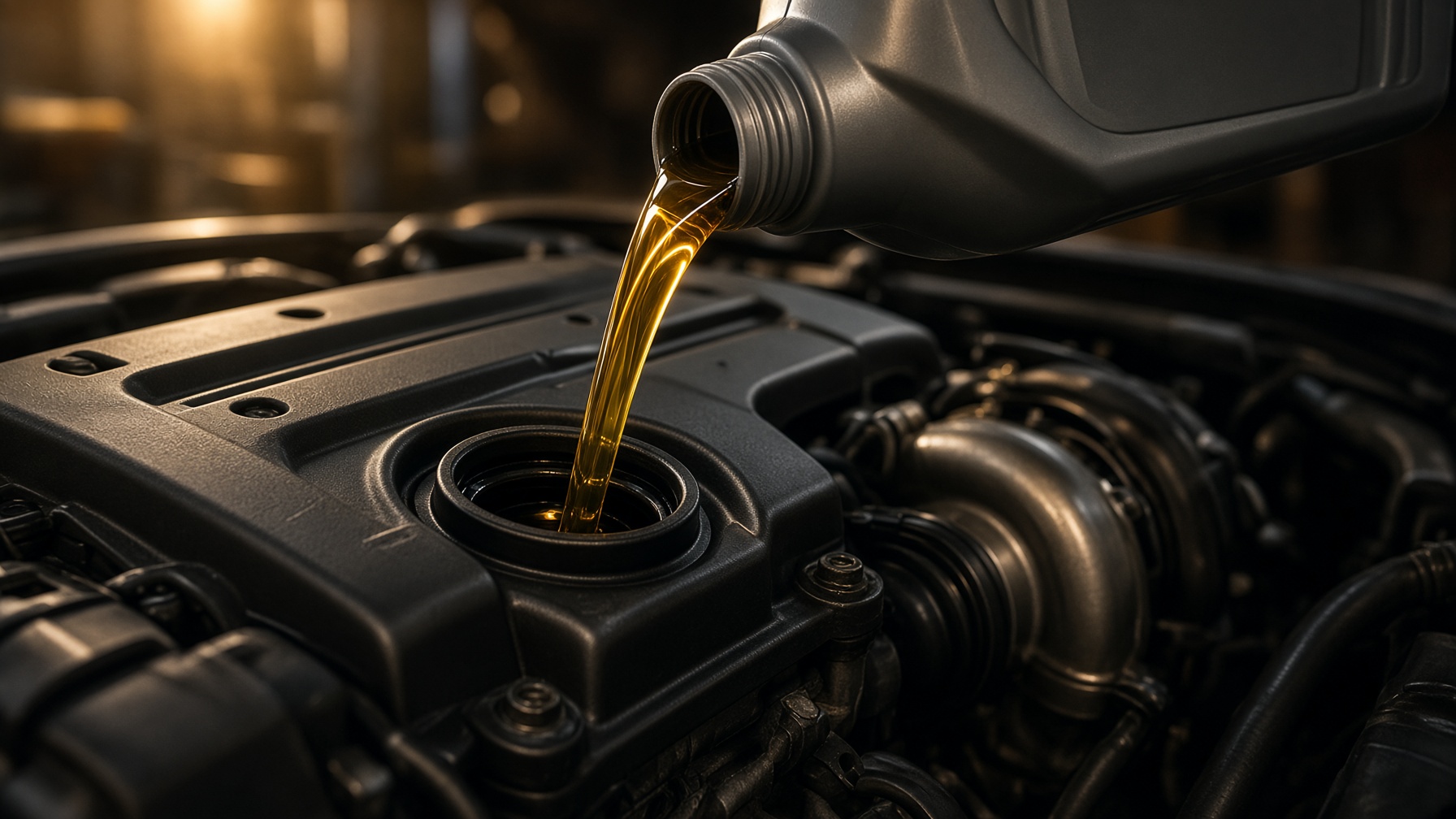
Idle a minute after a hard run when you can. That is free. The paid part is the oil. Book both the diagnosis and the oil here: car engine repair in Dubai and car oil service in Dubai.
EcoBoost service rules that actually work in Dubai
One: oil at 8,000–10,000 km in summer for daily EcoBoost, sooner for a Mustang that is thrashed or an Explorer that only idles at school. Two: coolant checked cold every visit on a 3.5. Three: do not ignore a small coolant crust. Four: a misfire gets coils tested and a camera, not a hopeful coil set. Five: the 10-speed next to this engine is a different fluid — do not pour engine oil into it.
Vesla, Ras Al Khor. Send the model, the kilometres, and whether the complaint is whistle, miss, heat, or a puddle. We will not quote a Territory 1.5 as if it were a 3.5 Explorer, and we will not tell you carbon is “normal forever.”
2.3 versus 3.5 is not a personality quiz. The 2.3 is the four that lives in Mustang, some Rangers and the volume Explorer. It carbon-loads, it heat-soaks, it wants oil. It rarely weeps coolant like the 3.5. The 3.5 is the V6 that makes Explorer and F-150 feel expensive when the pump weeps. If your booking says “EcoBoost” and nothing else, we still need the litres. A 2.3 carbon clean is not a 3.5 water pump.
F-150 3.5 in Dubai is the same cooling story with more mass and more idle if it is a site truck. People treat pickups as unkillable. EcoBoost pickups are still turbo petrols. Oil, coolant crust, and a cooling pack full of sand. The “truck oil” drum that was right for a 1998 V8 is not a 3.5 timing-and-turbo diet.
Heat-soak feels like a limp. You leave a covered car park, the first roundabout is fine, the third is not. Fans, condenser, charge-air temperature, then a scan. Do not start with a new turbo because the afternoon felt slow. Do not start with a new thermostat because the needle sat in the middle. EcoBoost diagnosis is ordered: scan, cooling pack, oil condition, then the expensive part.
If you already overheated a 3.5 — needle up, steam, a tow — say that first. A pump on an engine that has been cooked is a quote with an asterisk. Compression or a leak-down is not upselling in that case. It is whether the cheap repair is a lie. We would rather lose a job than put a pump on a head that is already going to come back.
After a turbo or a pump, the interval is not a suggestion. First oil short. Coolant spec only. No mixed leftovers. That is how EcoBoost stays cheaper than the reputation it gets from skipped summers.

Comments are closed